

How Community Is Connecting Farmers and Purchasers
Hundreds of small and medium-size farms dot the Northern Central Coast. Many of them plan for and rely on the crops they plant up to a year before harvest. Their work is humble, but crucial: For generations, they’ve been protecting our natural resources and providing nutrient-dense food to San Mateo County and surrounding communities.
Yet barriers in the food supply chain make it hard for these farms to access markets beyond the direct to-consumer model.
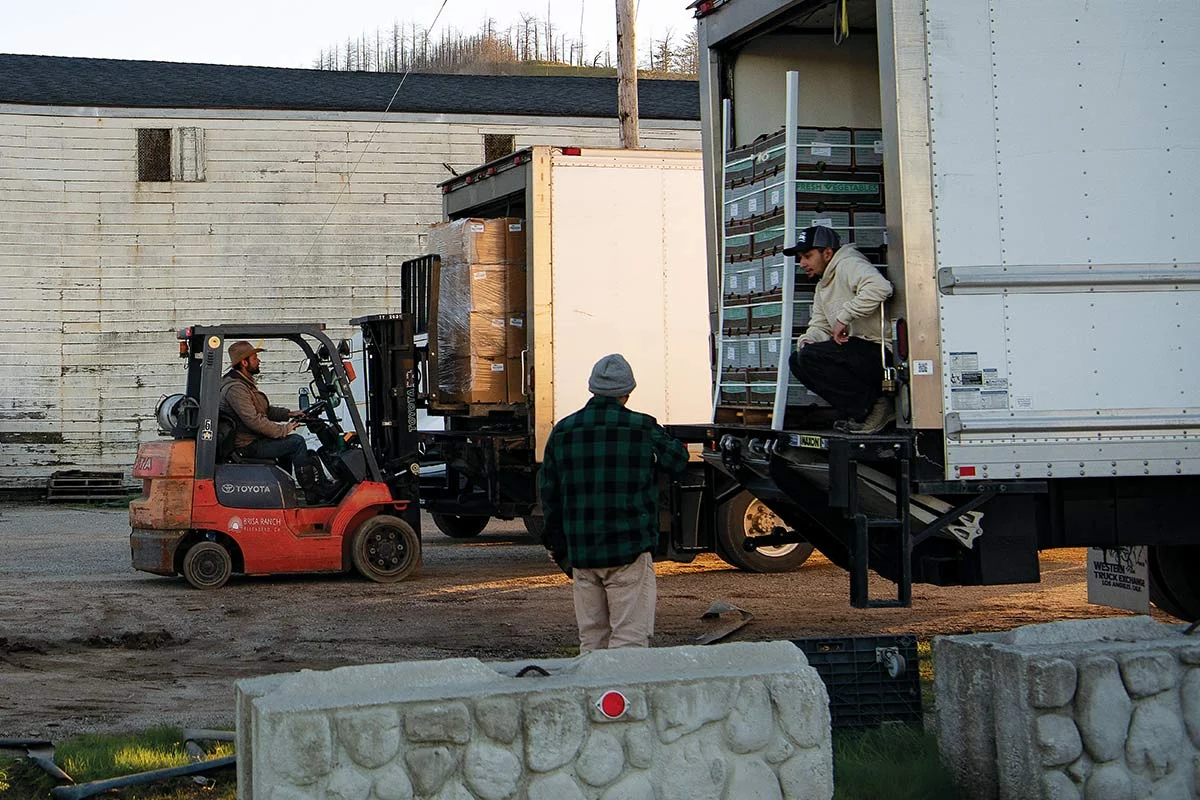
“There’s still this need for local produce in businesses and institutions and right now there’s not really a way of getting that product into those different sectors,” says Veronica Mazariegos-Anastassiou. She runs Brisa Ranch, an organic- certified family ranch in Pescadero, alongside her husband, Cole Mazariegos-Anastassiou, and their business partner, Cristóbal Cruz Hernández.
In 2020, conversations started around creating a local food hub—a model gaining popularity across the state and country that would offer a convenient way for farmers in San Mateo County to share resources and build relationships with larger buyers across the greater Bay Area.
“There’s still this need for local produce
in businesses and institutions and right
now there’s not really a way of getting that
product into those different sectors.”
—Veronica Mazariegos-Anastassiou
“The pandemic highlighted and brought awareness to the shortcoming of our food supply chain, and local producers started huddling and asking, ‘What can we do together to increase our market access?’” says Veronica Mazariegos-Anastassiou.
And that’s when Coastside Local Food Hub was born, a farmer-led entity that is directing fresh, local food directly to institutions.
Brisa Ranch is operating the food hub in collaboration with Kitchen Table Advisors, TomKat Ranch Educational Foundation, San Mateo Resource Conservation District (RCD), and Finnegan Consulting. The first step was receiving a University of California Sustainable Agriculture Research and Education Program grant (UC SAREP) that allowed the project team to measure regional interest in a food hub, share challenges, explore collective solutions and compensate farmers for their time. From there, a United States Department of Agriculture (USDA) Local Food Promotion planning grant helped launch the project.
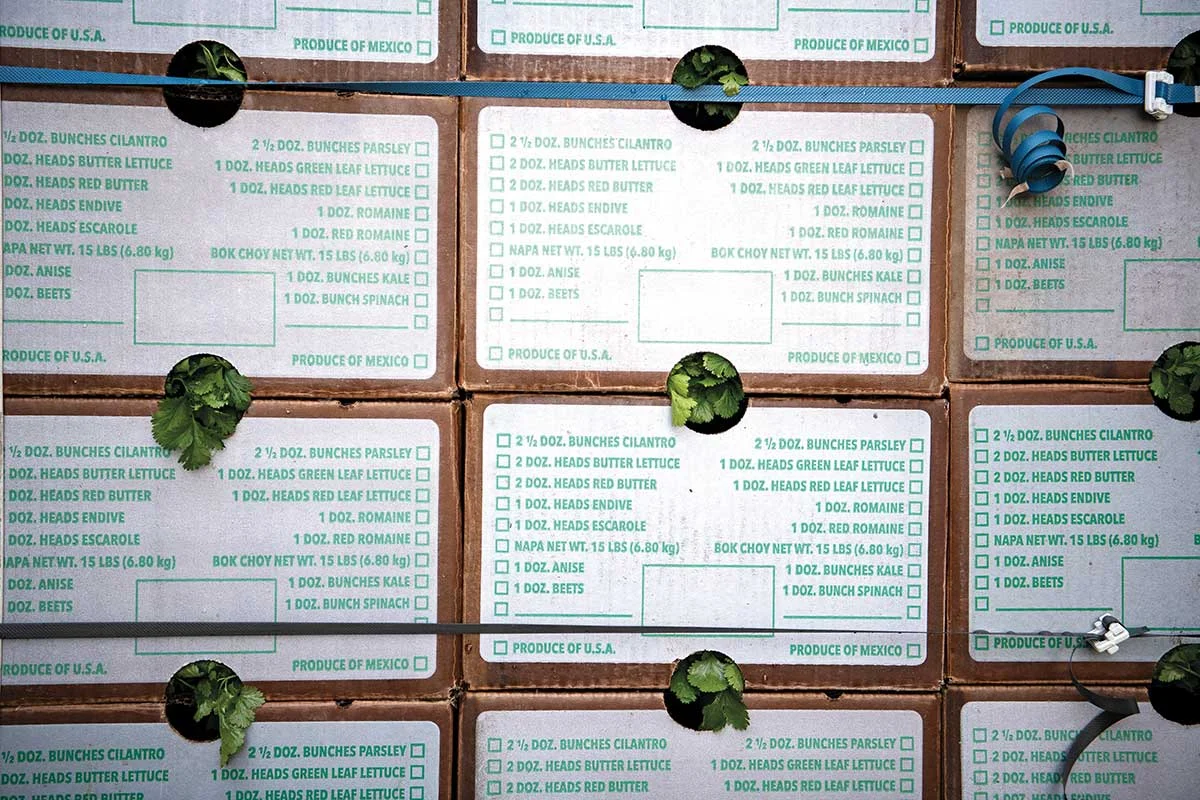
Today, Coastside Local serves as a hub for about 20 regional farms and counting, located primarily in San Mateo, as well as in Santa Cruz County and beyond. The majority are organic certified or practice sustainable agriculture. However, Coastside Local doesn’t limit its network to specific certifications or practices—their ultimate goal is to encourage local production and support all farms who are eager to participate in creating a more resilient food system.
“What is important to all of us is that there is a greater capacity for nutritiously dense, locally grown food, being sold at fair prices, and to acknowledge the hard work and effort going into these growing practices,” says James Nakahara, program manager of Kitchen Table Advisors’ ecosystem building program.
“What is important to
all of us is that there is a greater capacity
for nutritiously dense, locally grown
food, being sold at fair prices, and to
acknowledge the hard work and effort going
into these growing practices.”
—James Nakahara
In addition to uplifting the farm community, Coastside Local is making nutritious food more available to families who need it most. Through Farms Together, a federally funded statewide program, Coastside Local partners with multiple Bay Area food banks, including the San Francisco–Marin Food Bank and the Second Harvest Food Bank of Silicon Valley, that serve as key buyers for the food hub’s network of farms.
“The idea was, ‘Wouldn’t it be great for food banks, in addition to helping fight hunger, to also be supporting local producers, and local producers supporting local food banks?’” says Veronica Mazariegos-Anastassiou.
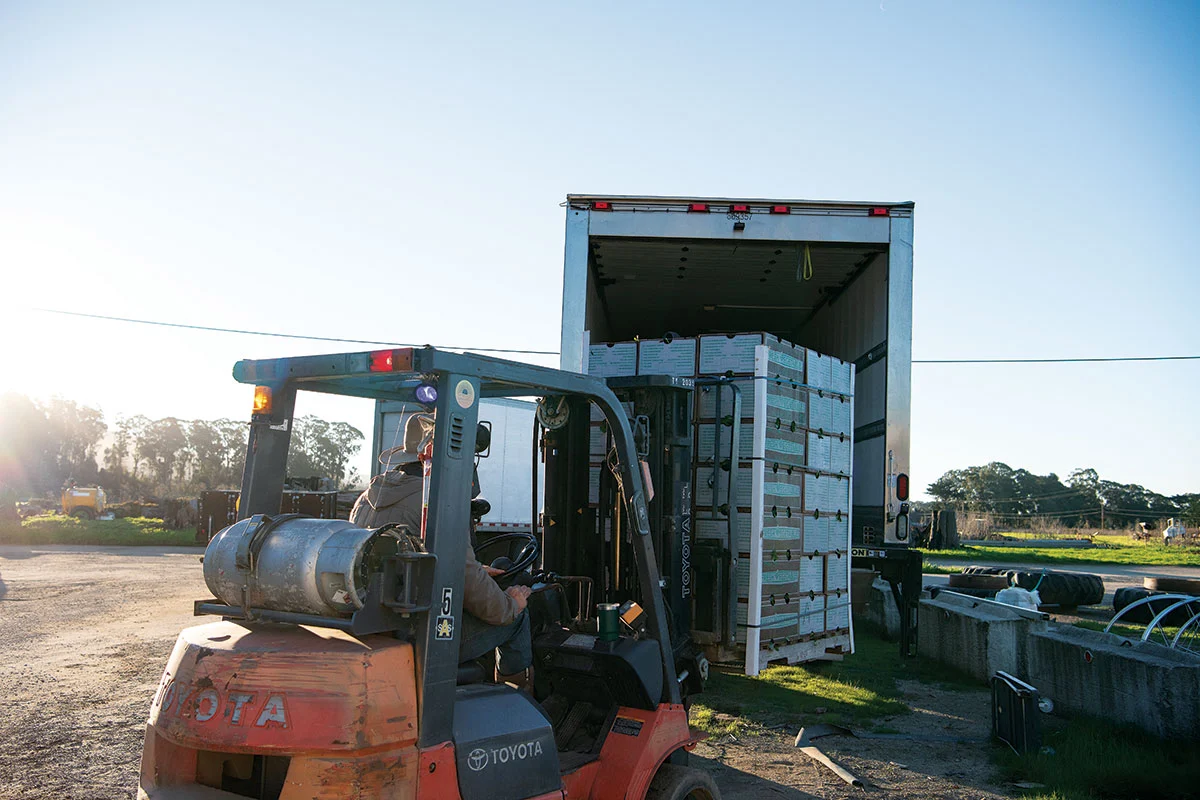
Through these partnerships, food banks specify the types and amount of crops needed, and Coastside
Local helps farms plan ahead and meet those needs, stabilizing farmer prosperity and community access to high-quality foods.
“By working with the Coastside Local Food Hub, Second Harvest of Silicon Valley can source culturally meaningful foods that help the neighbors we serve feel connected to their heritage,” says Jennifer Toller, senior manager of food sourcing at Second Harvest of Silicon Valley. “It’s incredible to see people at distributions sharing stories and recipes sparked by these items. The fact that we can support local farms and reduce our environmental impact at the same time makes this partnership even more powerful.”
“The food hub creates
an opportunity for farms to pool resources
and gain access to new markets, strengthening
the future of our region’s agricultural viability.”
—Eliza Milio
In almost two years, Coastside Local has been able to accomplish over two million dollars in sales across the 20 farms. Beyond food banks, the food hub partners with local school districts, grocery stores and hotels across the peninsula.
“One of the misconceptions in institutional buying is that small and medium-scale farms can’t produce volume, or their needs exceed what we can deliver. And I think, especially last year, we were able to show that as long as we have an understanding of what you need and want, and there’s a commitment to it, we can produce the amounts that are needed,” says Veronica Mazariegos-Anastassiou.
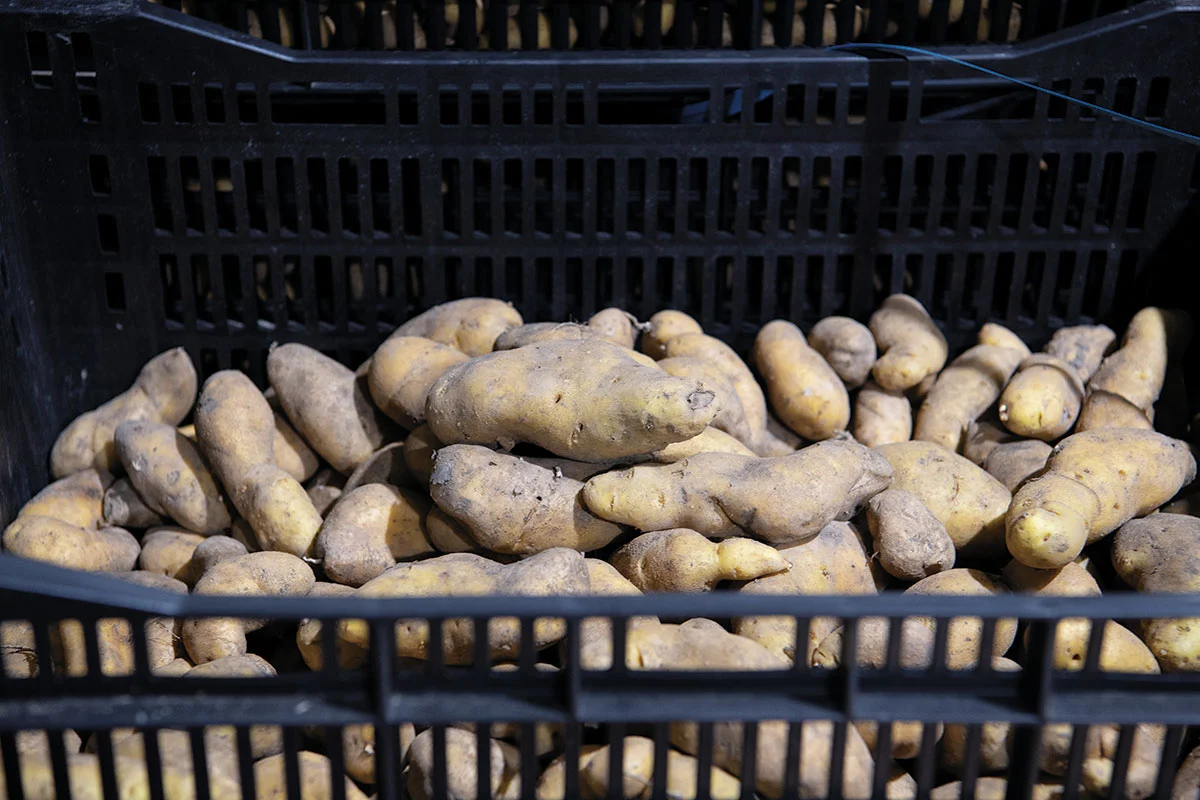
Coastside Local most recently received a significant grant under the California Department of Food and Agriculture for nearly two million dollars over five years—a huge win for Coastside Local and the community, which will help the food hub move from a pilot phase to implementation in 2026.
community, which will help the food hub move from a pilot phase to implementation in 2026. From here, Coastside Local plans to utilize grant funding for additional start-up resources and continue to tap into new markets with aligning values.
“People need to engage
directly in their food system
because their food system is
directly engaging with them.”
—James Nakahara
“Over the last 10 or so years, agricultural production in our county has been on the decline,” says Eliza Milio, San Mateo RCD’s Agricultural Stewardship Program manager and San Mateo County agricultural ombudsman. “The food hub creates an opportunity for farms to pool resources and gain access to new markets, strengthening the future of our region’s agricultural viability.” While the food hub creates tangible impact, its ultimate driver is the community.
Nakahara shares a simple takeaway: “People need to engage directly in their food system because their food system is directly engaging with them.”
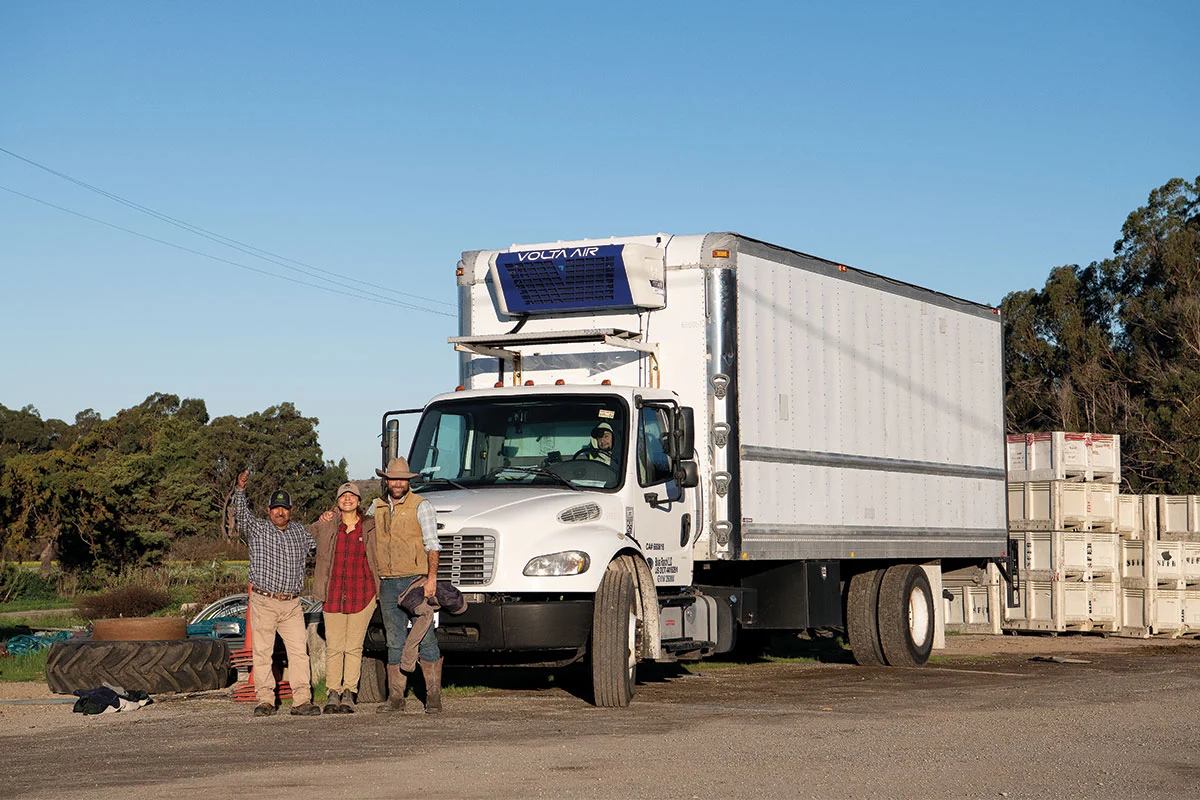
Coastside Local’s project team encourages those in procurement positions at local institutions, whether it be a university, hospital or K-12 school, to consider sourcing from the emerging network of food hubs in the region. The rest of the community can support by introducing their food banks and local businesses to Coastside Local’s mission, which is just one step to being part of that change.
Learn more or get involved by visiting coastside-foodhub.com.