

Follow the Grain
How Brewers Recycle Leftovers From The Brewing Process
Grain, water, hops, yeast: The list of ingredients for making beer has been the same for about 12,000 years. The grain—usually malted barley—is first boiled with water to extract its flavors and sugars and that liquid goes on to make beer, leaving behind an enormous soggy mass of spent grain. One six-pack creates about a pound of spent grain. According to one estimate, that scales up to be to about 20 billion pounds per year of spent grain left over from beer making in the United States alone.
Traditionally, big U.S. breweries have sent their spent grain to cattle and pig farmers who use the nutrient-dense material to supplement their livestock feed. That’s happening more and more with small craft breweries, too, along with other creative ways to repurpose spent grain.
Take Hapa’s Brewing Co., with headquarters in San Jose and tasting rooms in Los Gatos and San Carlos. They produce about 1,500 barrels per year, which means 90,000 pounds of spent grain to contend with. “We work with Bianchi Ranch in Gilroy,” says brewery co-founder Brian Edwards. “We brew on Tuesdays and they pick up our spent grain for animal feed on Wednesdays so we can get it out of the brewery quickly.”
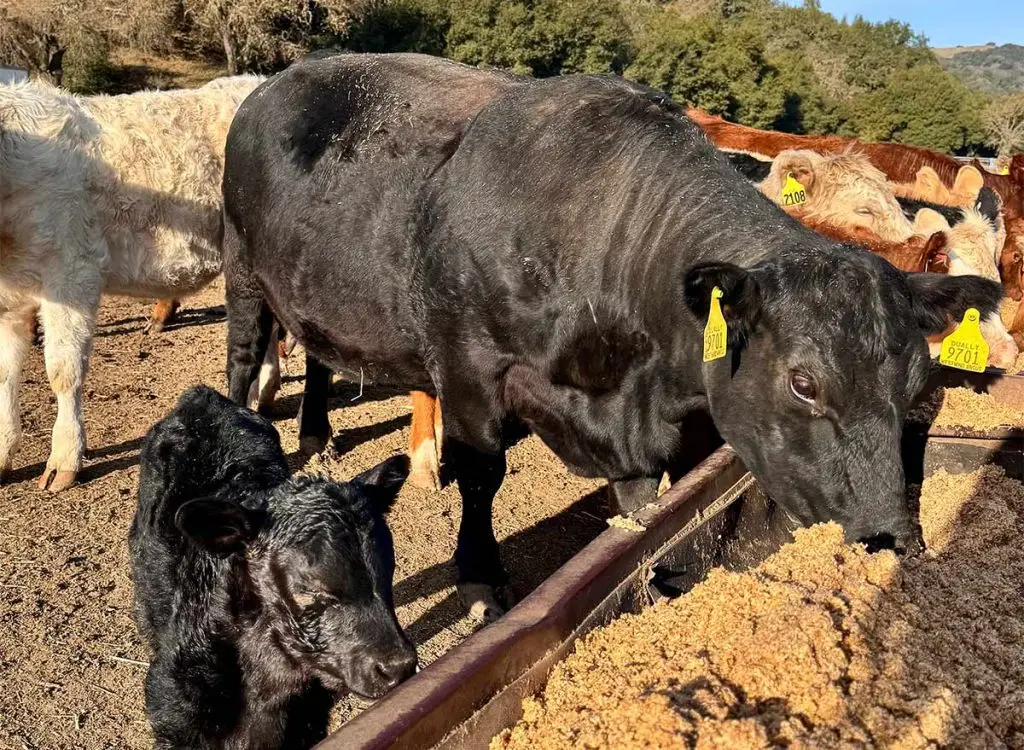
Says second-generation rancher Erica Bianchi, “Brewers’ spent grain is rich in protein and fiber, which is great for our beef cattle. We collect spent grain each week from multiple breweries around Silicon Valley, Gilroy and Santa Cruz. It needs to be fed to the animals quickly as it’s a wet product that can spoil—we have a box-and-conveyor-belt system on the ranch to get it to the livestock efficiently.”
“When I was younger, my dad went all the way to San Francisco to get spent grain, but now there are craft breweries like Hapa’s that are closer. It’s a great way to be sustainable, saving breweries from sending something to the landfill, and on our end it saves money and gives back to the land,” she continues.
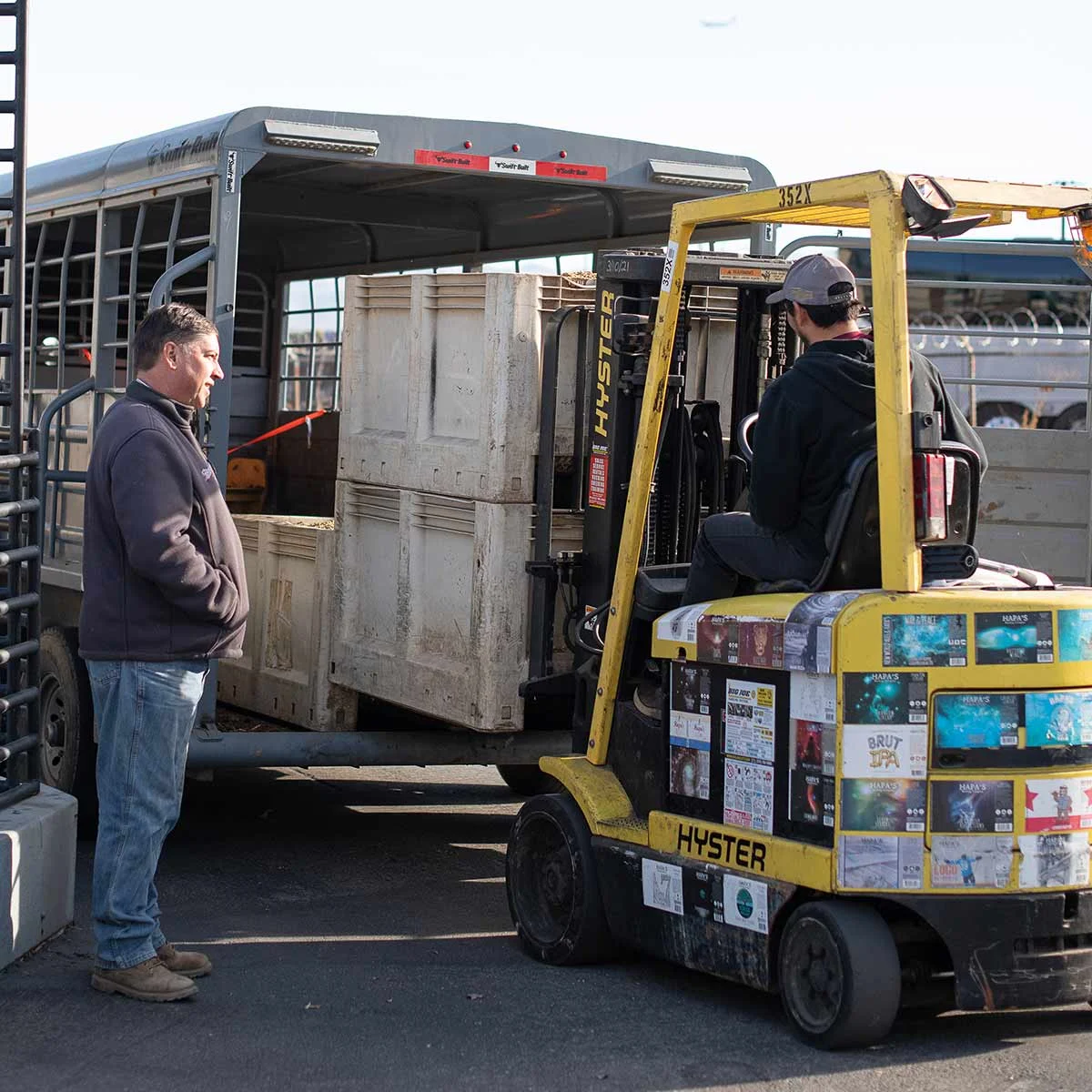
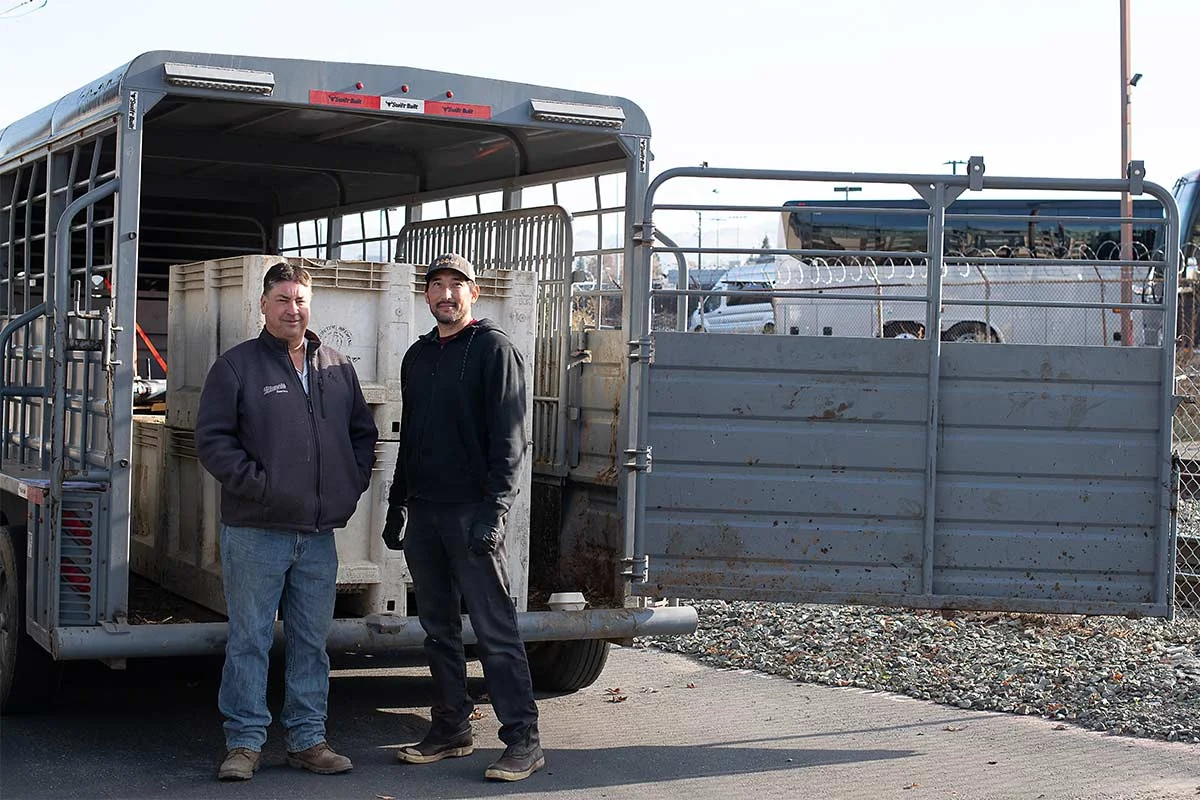
Barebottle Brewing, which has a brewery and taproom in San Francisco’s Bernal Heights neighborhood and taprooms in the Salesforce Tower, Santa Clara and Menlo Park, partners with Pomponio Ranch in San Gregorio and gives them 10–12 tons of spent grain a week. “Without fail they pick up on Friday,” says Barebottle co-founder Lester Koga. “Pomponio brings us 20 empty, stackable half-ton bins in a flatbed truck and we give them 20 full bins. The transfer takes place in less than an hour.”
“We finish our cattle and pigs on spent grain from Barebottle,” says Pomponio Ranch’s Danielle Lefczik. “On the coast, the grass growing season can be unpredictable, and when spent brewers’ grain is used, the product has the same consistency. We supplement our animals’ diet with spent grain to control our product.”
Garden Variety Cheese in Santa Cruz County’s rural Royal Oaks feeds spent grain to their sheep and crafts sheep-milk cheeses that are available at farmers markets throughout Silicon Valley. “We feed it to the sheep in the milking parlor to encourage them to be milked—it’s a treat for them,” says cheesemaker and owner Rebecca King.
The solid nutritional value of brewers’ spent grain makes it attractive for upcycling into protein- and fiber-rich ingredients for people, too. Upcycled Foods of San Francisco was an early proponent of transforming spent brewery grain into something suitable for human consumption. They now produce Regrained SuperGrain+ that resembles toasted flour and can be used in a wide range of food products.
Behemoth beer companies are also getting into the act. The world’s biggest beer company, AB InBev (think Budweiser, Michelob, Corona and more), has teamed up with scientists to make EverGrain, a product that transforms spent grain into ingredients that can be used in a variety of foods. Glen Fox, professor of malting and brewing at UC Davis, serves on their advisory board and notes, “The options for turning spent grain into nutritious food are endless; the limitations are getting the spent grain out of the brewery in a safe way, since it spoils quickly. A big operation like Anheuser-Busch in St. Louis has the space and the resources to create a production facility onsite that converts it into edible ingredients.”
Here in Silicon Valley, besides animal feed and some composting, most of the spent grain used in other ways takes place on a much smaller, but often highly inventive scale. Caitlin Jewell of Grainbakers goes into craft breweries and teaches bread-making classes. “After we all tour the brewery, I teach people to make a basic bread dough that is 25% brewers’ grain. Rosemary sea salt is the most popular, along with cheddar jalapeño, with or without bacon. We make the dough and ‘students’ take it home and bake it,” she says.
On the canine front, Hapa’s Brewery offers complimentary spent-grain dog bones made by co-founder Derek Tam’s mother. It’s another common use of leftover grain on a small scale that you’ll see in breweries throughout the country and from a few online companies, like TerraPawz in San Diego, which also produces spent-grain dog bones for Stone Brewery.
At Fox Tale Fermentation Project, a brewery and restaurant in San Jose, co-owner Wendy Bravo makes miso from spent grain that she sells in the brewery and uses in the restaurant in specialty dishes. “The miso stands out because spent grain is really intense—it’s got a ton of fiber and is thick and starchy. Miso is amazing at breaking down starches. Technically, we are using waste to create something culinarily delicious,” she says.
Spent grain is also being experimented with as an energy source. The Alaskan Brewing Co. in Juneau has a boiler-system furnace that burns spent grain to create steam that powers most of the brewery’s operations.
Other creative uses include a company in Japan that makes paper out of spent grain that’s turned into coasters for breweries. An Ontario, Canada, outfit helps supply leftover grain as a mushroom growing medium; at Uptake Farms in Healdsburg, a spent grain is being used to feed black soldier fly larvae, which are then turned into a protein-rich food for animals.
As more attention is given to repurposing and eliminating food waste, the creative minds at play in the brewing industry are proving that beer’s substantial waste product might be spent … but it’s by no means worthless.