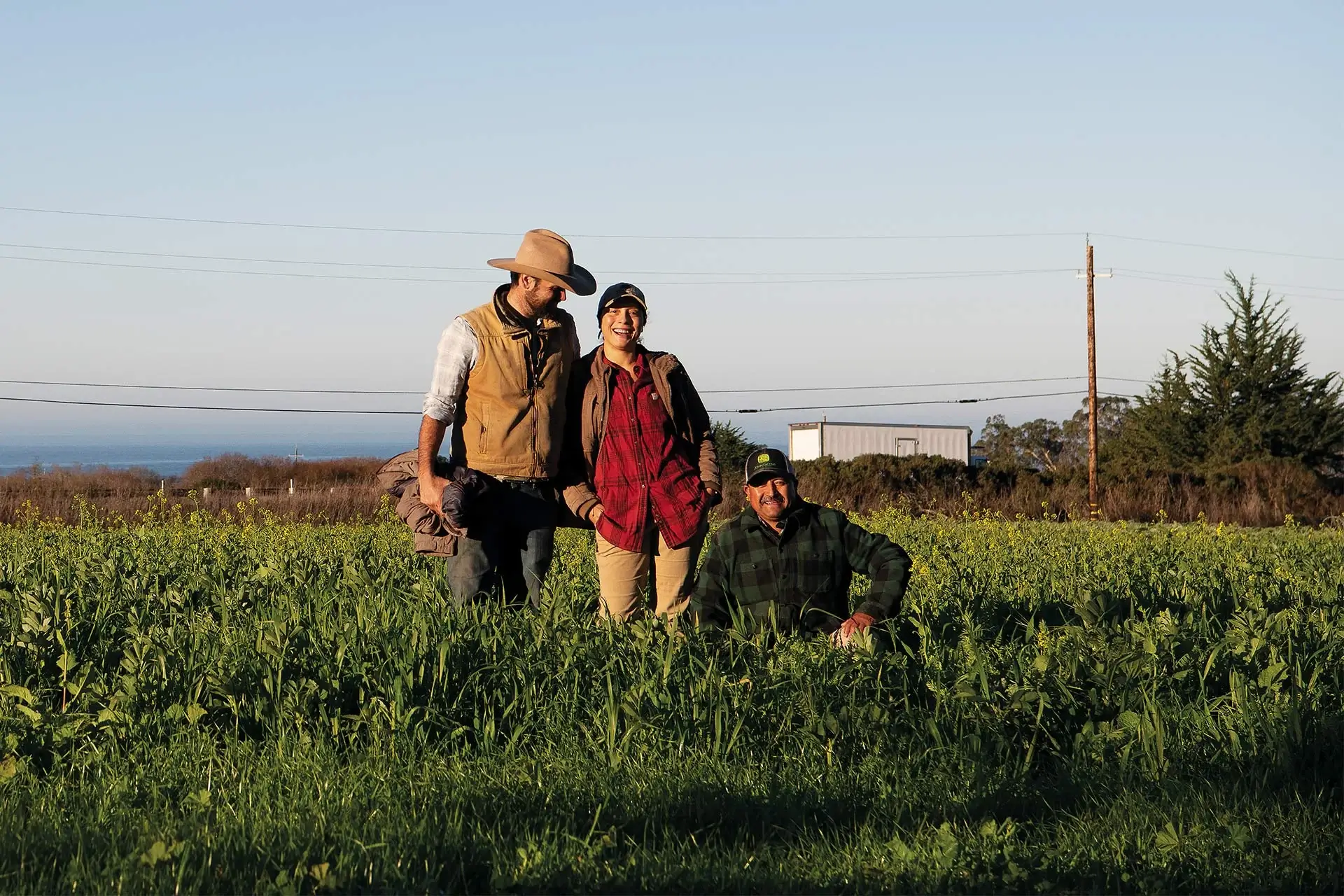


When my family came to Morgan Hill in 1958, the Valley was still filled with orchards. About 30 family farms surrounded us then, most of them growing apricots and prunes for drying—the crops that made the Santa Clara Valley famous.
Over time, those orchards disappeared, replaced by houses, roads, offices and commercial concrete. And in general, agriculture changed too, with an increasing reliance on modern industrialized factory farms where large-scale production, monoculture and economies of scale are the watchwords of the day.
But my family stayed and kept growing the artisanal way—focused on taste and quality, and on time-tested farming techniques amid changing economic and climate realities.
Artisanal farming isn’t new. It’s simply farming the way it used to be: flavor first, guided by experience, a craft of art and science, and thoughtful care.
Artisanal farming isn’t new. It’s simply farming the way it used to be: flavor first, guided by experience, a craft of art and science, and thoughtful care.It’s not about speed or scale, or squeezing more out of the land than it can give. It’s about working with nature instead of trying to outsmart it. It’s the kind of farming that still lives mostly on smaller, family-run farms where the growers know every tree and taste every fruit.
On our orchard lands, when costs increased and dried fruit fell out of demand, we began planting specialty varieties—rare and unusual fruits known for their eating quality. The fun part was finding them: tracking down old cultivars, learning how to grow them in our soil, grafting new rare varietals on resilient rootstocks, and then watching people taste, buy and come back for more.
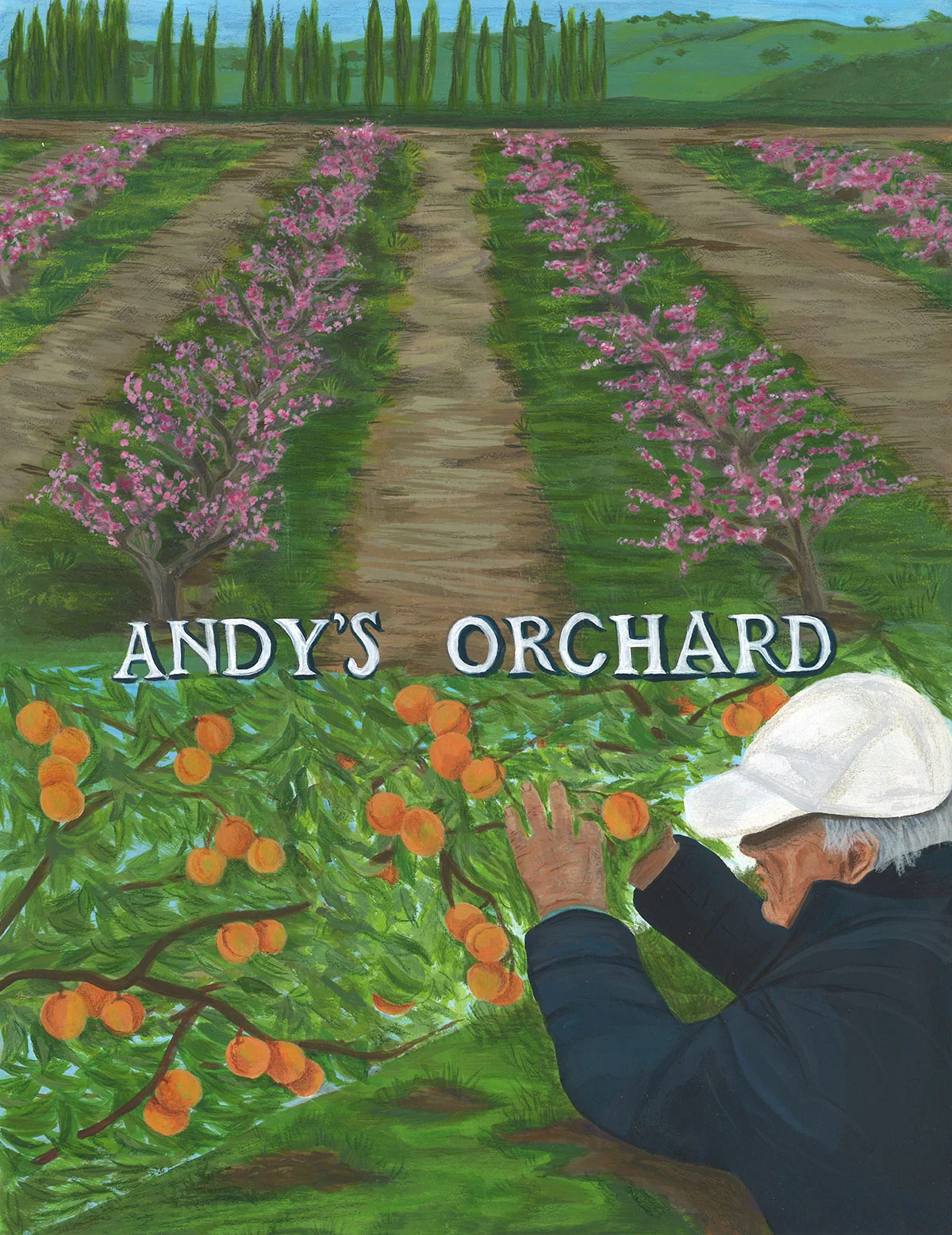
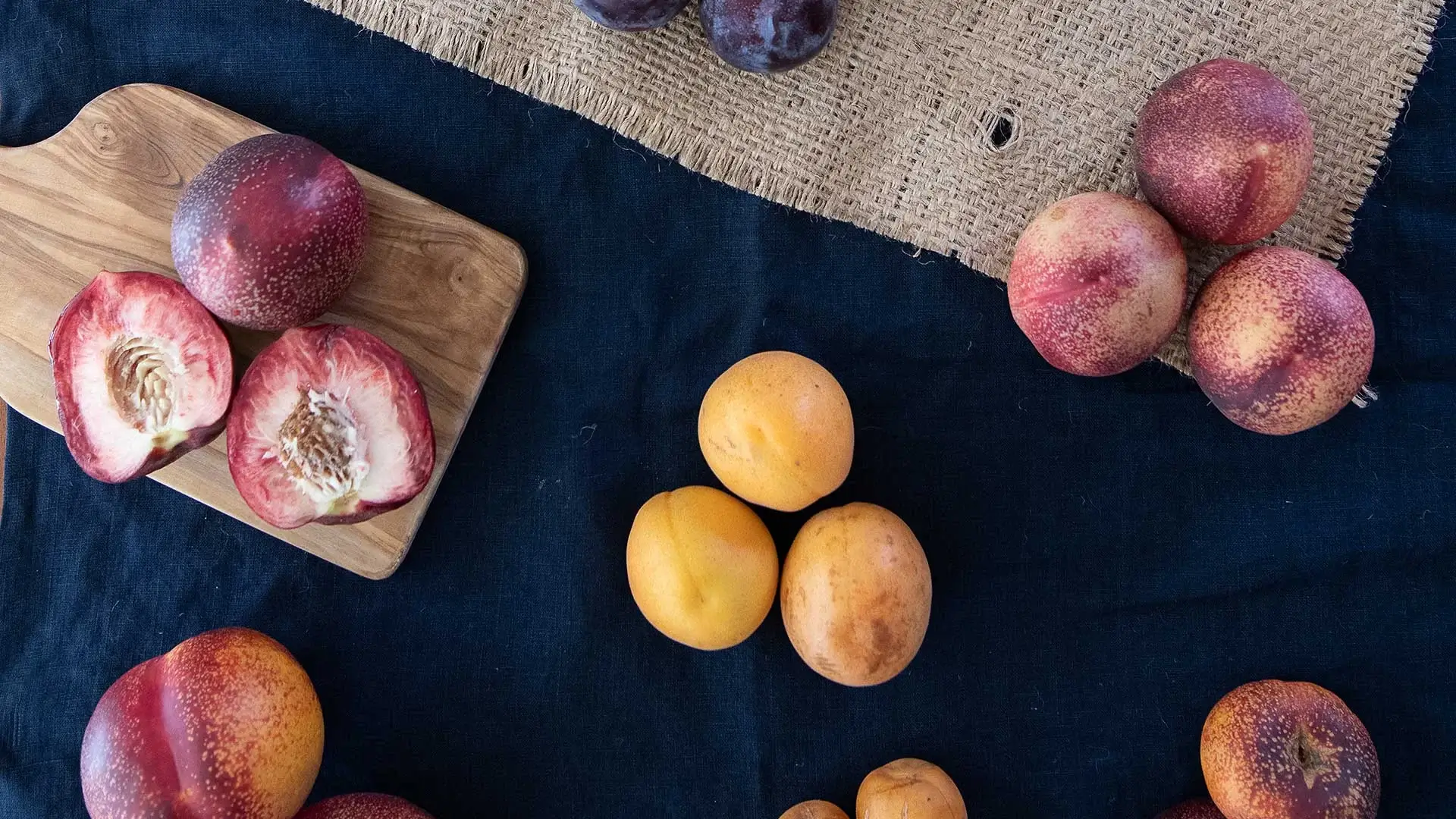
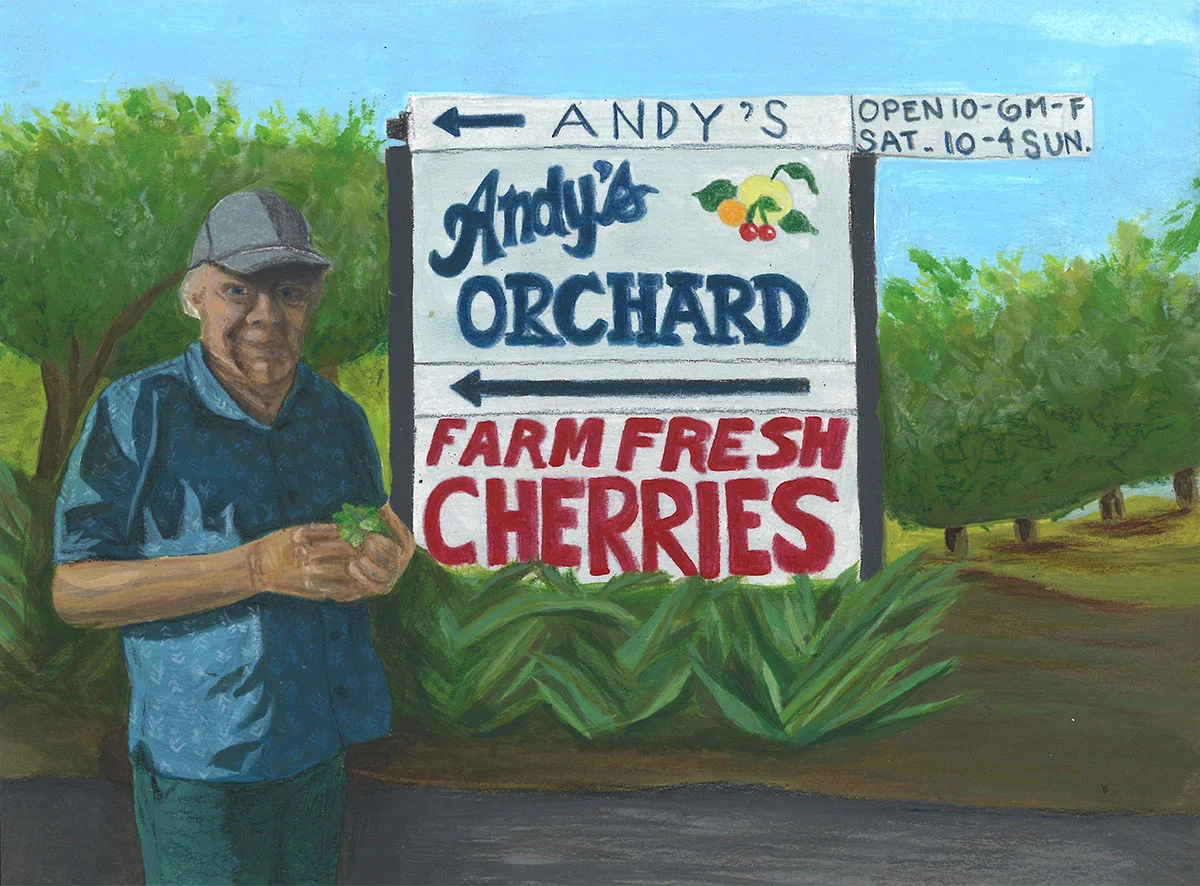
Today at Andy’s Orchard, we grow what we love: cherries, apricots, peaches, nectarines and plums—about 280 varieties in all. Some are old heirloom types that once defined this valley, others are new and unnamed introductions, and a few we’ve developed ourselves. Some are new varieties that do not even have names yet; others were collected from around theworld. Every one of them is chosen for one reason: flavor. We pick our fruit tree-ripened, when it tastes its best, not when it’s easiest to ship. You can taste the difference.
We don’t measure every decision by cost or speed. Fruit growing, to us, is a kind of art form. With so many different varieties, each with its own needs, many hands and eyes are required. Over time, we’ve learned that each variety teaches us something different about care and patience. These extra steps, taken season after season, help preserve the diversity of what we grow and keep our work distinct from large-scale farms.
Our summer fruit tastings celebrate that diversity. We hold several each year, giving visitors a chance to taste and judge for themselves, sampling uncommon varieties that can’t be found elsewhere. It’s rewarding to see people discover new favorites or fall in love again with an old variety from the past. The tastings also guide us, helping us test-market new fruits and sometimes reintroduce forgotten ones that deserve another chance to shine.
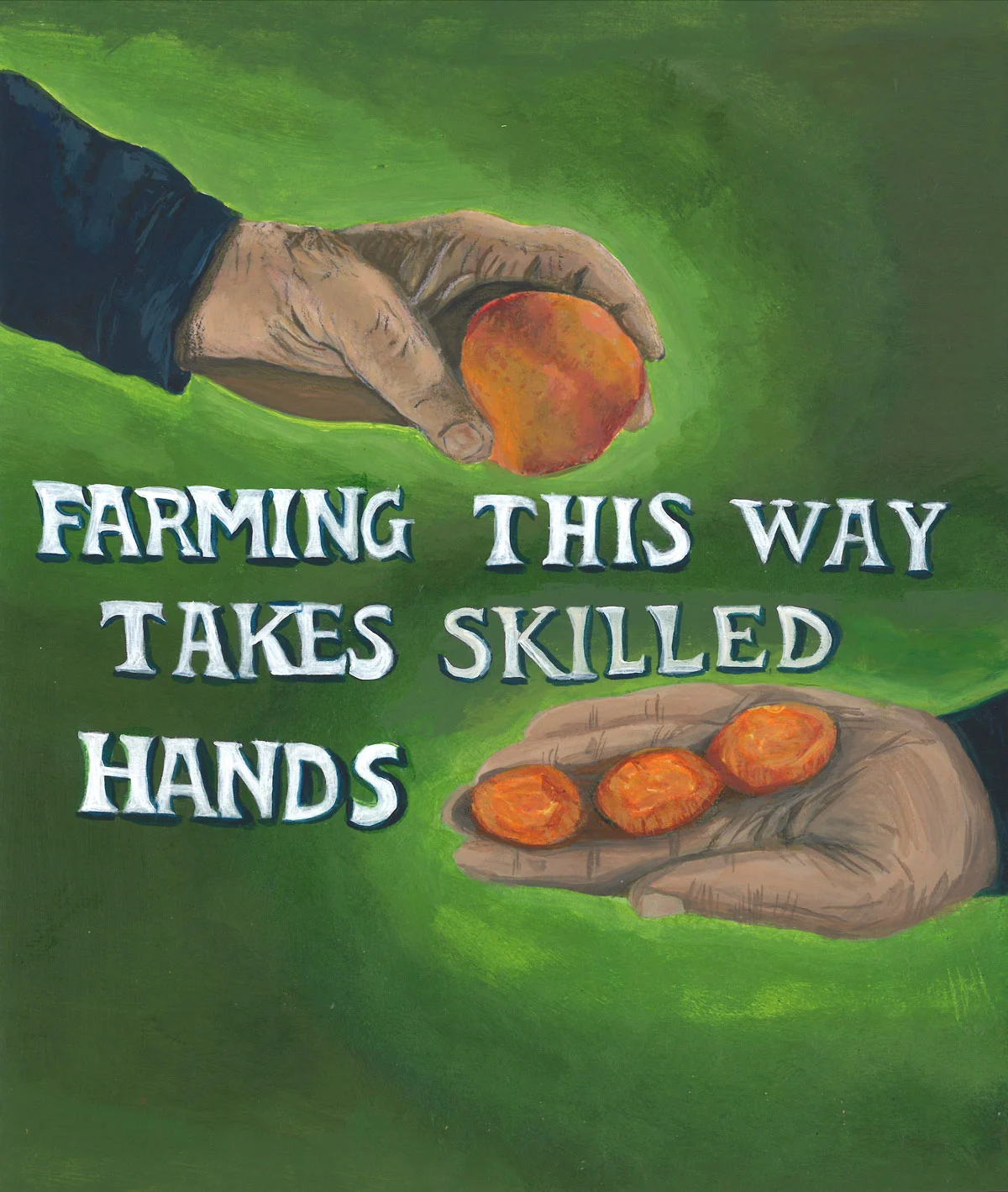
Farming this way takes skilled hands. Many of our workers have been with us for decades, some for over 40 years. They are artesanos, craftsmen of the orchard. They prune, thin, irrigate and protect the trees with keen expertise and pride in their work. And they pick, pack and prepare them for market, ready to eat.
Because we pick for flavor, not convenience, each tree is harvested four to six times during the season. We only pick fruit that’s perfectly ripe and leave the rest to reach its peak. That’s a slow, deliberate process, but it’s the only way to get fruit that truly sings. There are no shortcuts to flavor.
Today, nearly all the orchards that once surrounded us are gone. Our farm now sits in the middle of an increasingly urban and residential landscape. Some people call our endurance to stay and farm here sustainability, and in a practical sense, I suppose that’s true. After 70 years, we’re still here, still producing fruit that tastes the way fruit should.
But real sustainability should mean more than survival. It’s about renewing the soil, protecting water and air and land use for things like farming in ways that give back more than they take. Those are important things—sometimes easier said than done—but we try to live them out in quiet, steady ways, one season at a time.
There are plenty of new farming labels—organic, regenerative, sustainable—and all of them have good intent. But what we do is still best described as artisanal and timeless. Our methods are a mix of old and new: planting cover crops, adding humus and nutrients to the soil, feeding trees with foliar sprays, and managing pests through mostly organic means. We’re not certified organic, but we farm with a softer hand, always mindful of the health of the trees, the soil, the workers and the people who eat our fruit.
In recent years, changing tastes have worked in our favor. More people are beginning to value flavor, authenticity, local origin and the story behind what they eat. There’s a new appreciation for fruit that’s grown for taste, not convenience. That shift has created new appreciation and demand for what we do, allowing us to keep exploring unique flavors, care for the land and remain both biodiverse and economically sustainable.
After all these years, I still love what I do. I love the look of the orchard in bloom, the smell of the soil after rain and the buzz in the barn after a seasonal pick. But more than anything, I love handing someone a piece of fruit they’ve never tried before and watching the surprise—and delight—on their face. That moment, when someone bites into a piece of fruit they’ve never had before and their eyes light up, that’s the part of farming that never gets old.
That’s what growing the artisanal way is really about. It’s not nostalgia. It’s connection—to the land, to the past and to the people who still care about flavor, quality and craft. It’s hard work, but it’s honest work. And after 70 years, it still feels worth every bit and bite of it.