

Angkor Cambodian Food
In 2012, Channy Laux was an engineer in the Silicon Valley, banging her head against the wall on how to make a jar of lemongrass paste shelf stable.
“You helped make an aircraft and you can’t make the paste?” teased Kent, her husband and now manager of Angkor Chef, their Cambodian restaurant in downtown San Jose.
Chef Channy, who wears a white chef’s coat and apron, chuckles as she recalls her former days working at the Department of Defense building software for jet fighter displays, a fun tidbit she shares with flight crews and pilots who often dine at Angkor Chef on their layovers from the San José airport.
Before opening their restaurant, the Lauxs first order of business was to get Cambodian ingredients onto the shelves of local American markets, something she and Kent noticed was missing. Having previously worked with Food and Drug Administration auditors in biotech, Channy felt confident to try to reproduce her mother’s recipes on a commercial level.
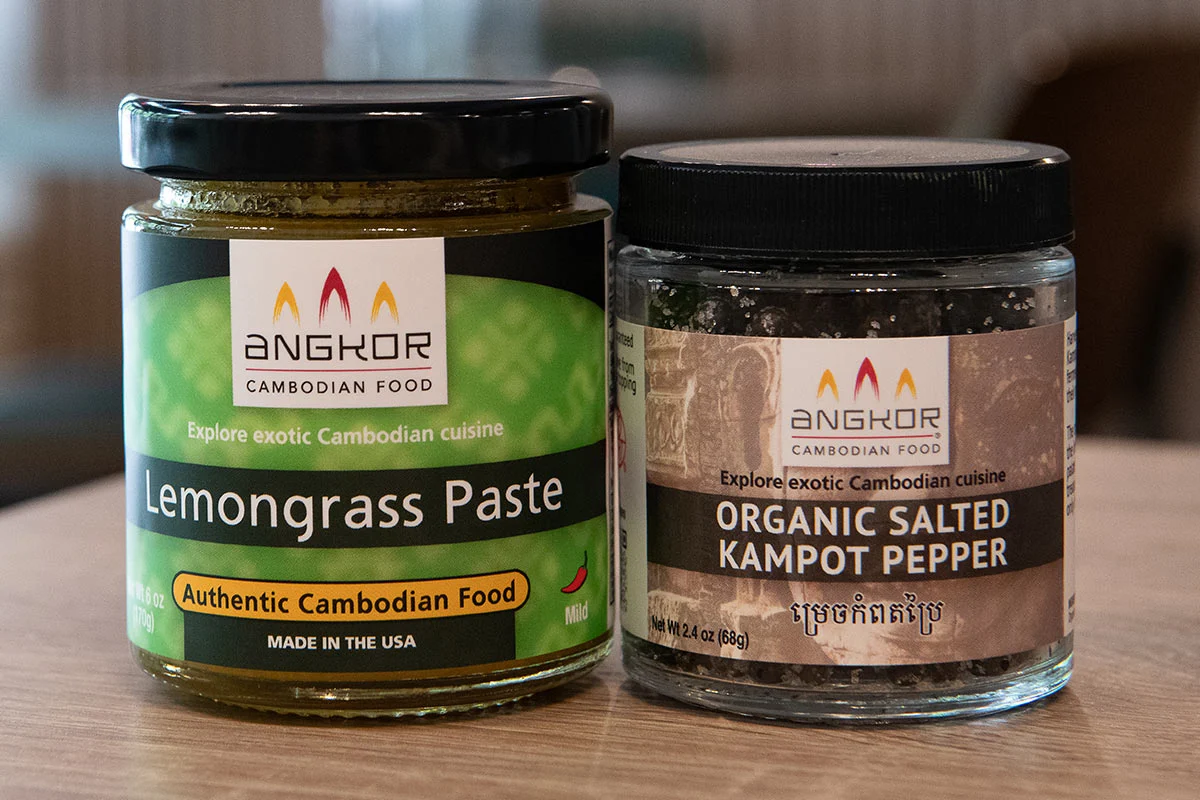
It took more than five years to manufacture their lemongrass paste, known as kroeung, the condiment that is considered essential in Cambodian cooking. But they rose to the challenge, “from sourcing and qualifying ingredients in bulk as well as educating manufacturing partners to properly process the ingredients,” they explain. Their kroeung packs a punch with added garlic, jalapeño, lime leaf and fish sauce. In 2018 it won them the Specialty Food Association’s sofi™ Award for the Cooking Sauce, Marinade category. The following year, they also received the 2019 SFA Foodservice Product Innovation Award.
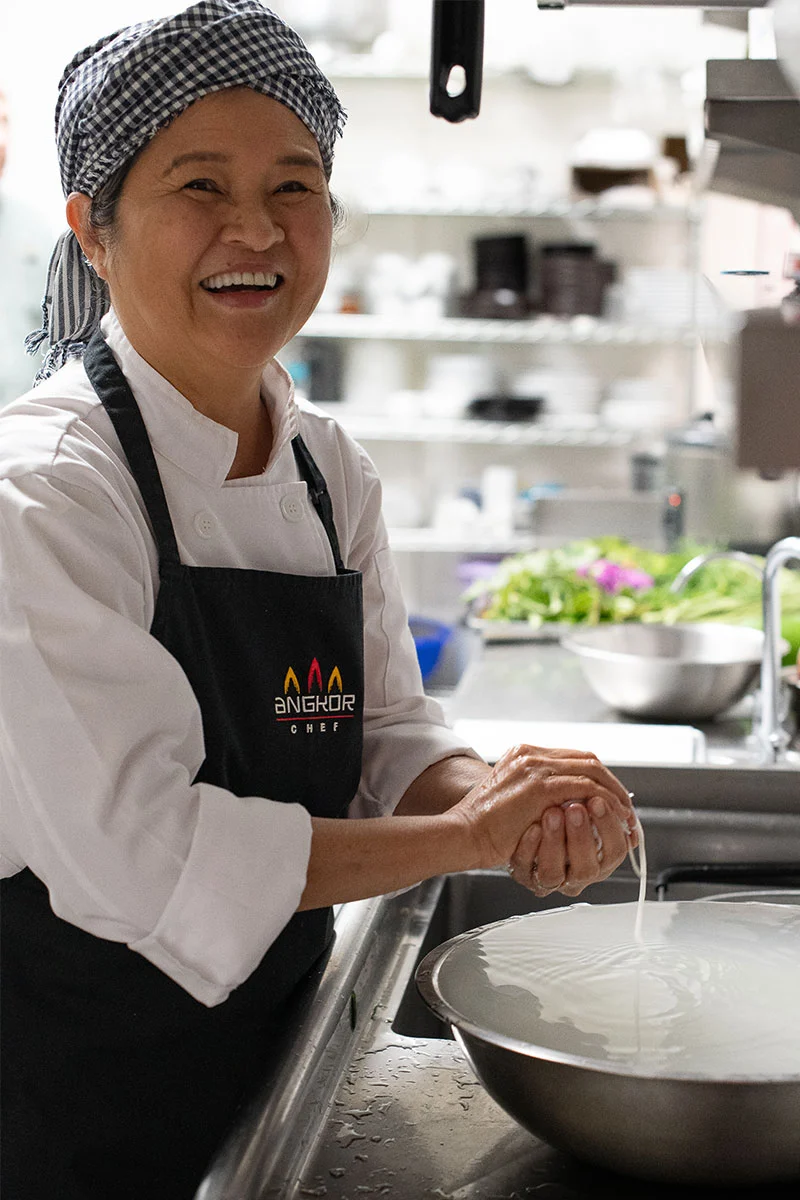
Channy and her family arrived in the United States as refugees in 1979. She attended Lincoln High School in Nebraska, where she learned to speak English and tried American foods like corn chowder for the first time. All the while, her future business and life partner, Kent, was raised on a farm in rural western Nebraska.
“One of the first [Cambodian] flavors I remember experiencing was fresh roasted garlic in the dishes Channy
shared with me,” he says. “It was unlike anything I grew up with. That flavor opened the door for me to appreciate the complexity, balance and beauty of Cambodian cooking.” He encourages others to step outside of what’s familiar.
While many Asian cuisines are represented and enjoyed throughout Silicon Valley, Cambodian restaurants and ingredients are rare. The Lauxs are one of the few creating Cambodian consumer packaged goods for retail market
and foodservice customers in the United States. Angkor Cambodian Food, the couple’s retail brand, offers authentic
Cambodian sauces, marinades and pastes made from high- quality Southeast Asian ingredients. In the Bay Area, you can find their products at The Village Market at the Ferry Building, Market Hall Foods in Oakland and Berkeley Bowl, among others.
Cook To Remember
“Many people are discovering Cambodian cuisine for the first time when they visit us, and that means so much,” says Kent.
At Angkor Chef, you can find traditional Khmer dishes that Chef Channy grew up eating: fragrant, sweet, pungent and mild fermented flavors made from Cambodian sauces and spice pastes that have not always been accessible to American eaters and home cooks: kroeung prawlak (a popular BBQ marinade), lemongrass paste and tamarind to name a few. “Sometimes when I cook, I remember,” says Channy. “And it’s healing.”
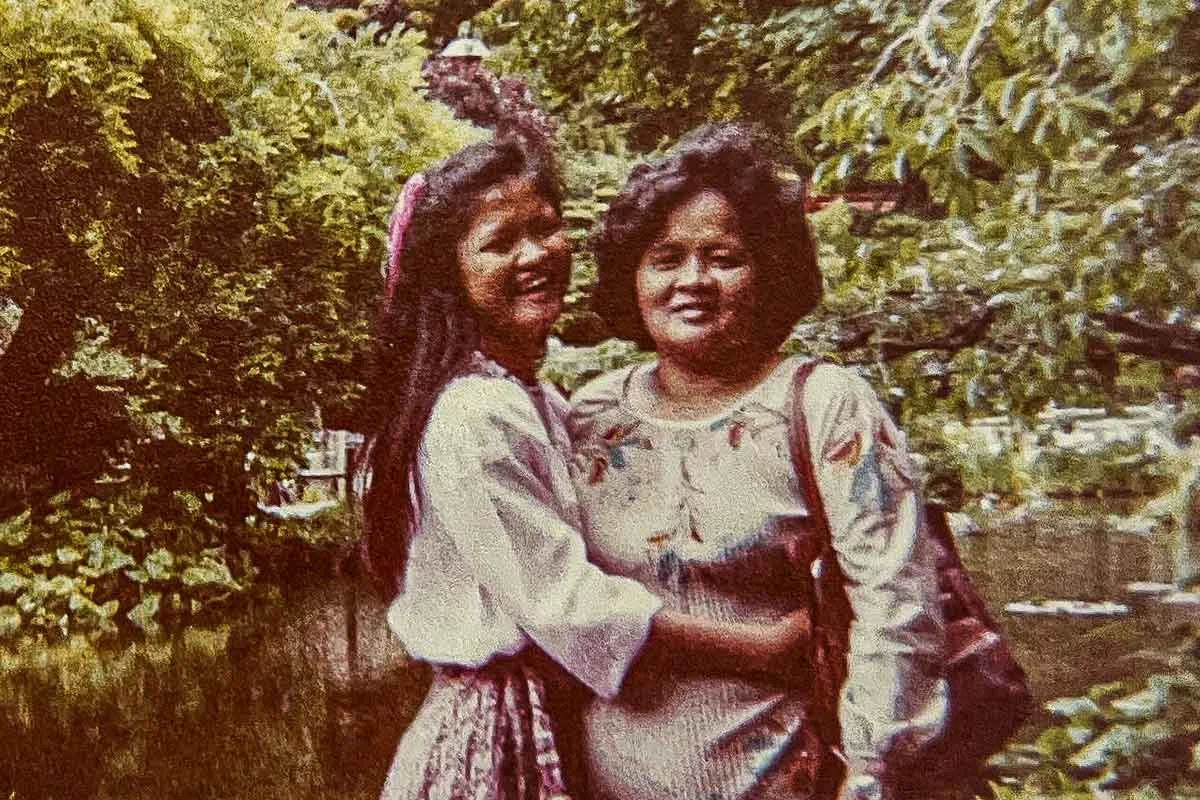
or Chef Channy, cooking is a labor of love—love for her Cambodian heritage and most of all for her late mother, Em, the beautiful driving force who taught her everything from how to make hot sauce in gallon batches to share with friends and family, to how to cook with herbs. “Don’t put too much, otherwise it’ll become herbal medicine,” she would tell Channy.
Every dish at Angkor Chef is re-created from memories of cooking with her mother, from her childhood years in
Cambodia, to many cherished decades in the U.S. where their family found refuge. They often drove around Lincoln,
Nebraska, looking for produce, but to their dismay they could not find the vegetables that they were used to. Channy chuckles at this memory, so joyful whenever she speaks of her. Her love for Em has kept her cooking and smiling even beyond her mother’s years.
She credits her survival of the Cambodian genocide to Em. Channy was just 13 when the Khmer Rouge seized the country and forced millions to march out of the towns and cities into labor camps in the countryside. Like most children, she was forcefully separated from her family. During the toughest nights, she would think of her mother, longing for a day when they could be reunited. This was the only thing that gave her hope.
The Khmer Rouge took over 2 million lives. They were radicalized nationalists who resented foreign powers and the
growing class divide. They tried to reset the country back to its agrarian days by killing off the educated and powerful and re-educating the population through forced agricultural labor. They executed ethnic and religious minorities, educated professionals, government officials and anyone seen as a threat. Millions were murdered in the killing fields and even more lives ended due to starvation or sickness.
“Because of what the country went through, the genocide, many people are gone,” Channy says. “And gone with the
people are the recipes and the know-how.”
“My mom would never like that I’m cooking. Because her daughter gets a master’s degree in America in engineering. Why does she go back to cooking?” Channy reflects. But her efforts go deeper than just cooking for a living. “It’s our passion, carrying her legacy.”
In the kitchen, Channy shares all the best memories of Em with the cooks. She remembers the happy times before the Khmer Rouge. It was the early ’70s, and she was not yet 13. She would ride her bicycle while singing her favorite songs. She loved helping her mom cook. When they cooked together, people were always happy, laughing or commiserating with each other.
“The concept behind Angkor Chef is to take us back to before the genocide,” says Channy. As she shares her vision for the restaurant, a Khmer Oldies playlist is playing and she begins to sing along. The track title roughly translates to “Do you remember?”
Channy, Nom Banh Chok and Prahok
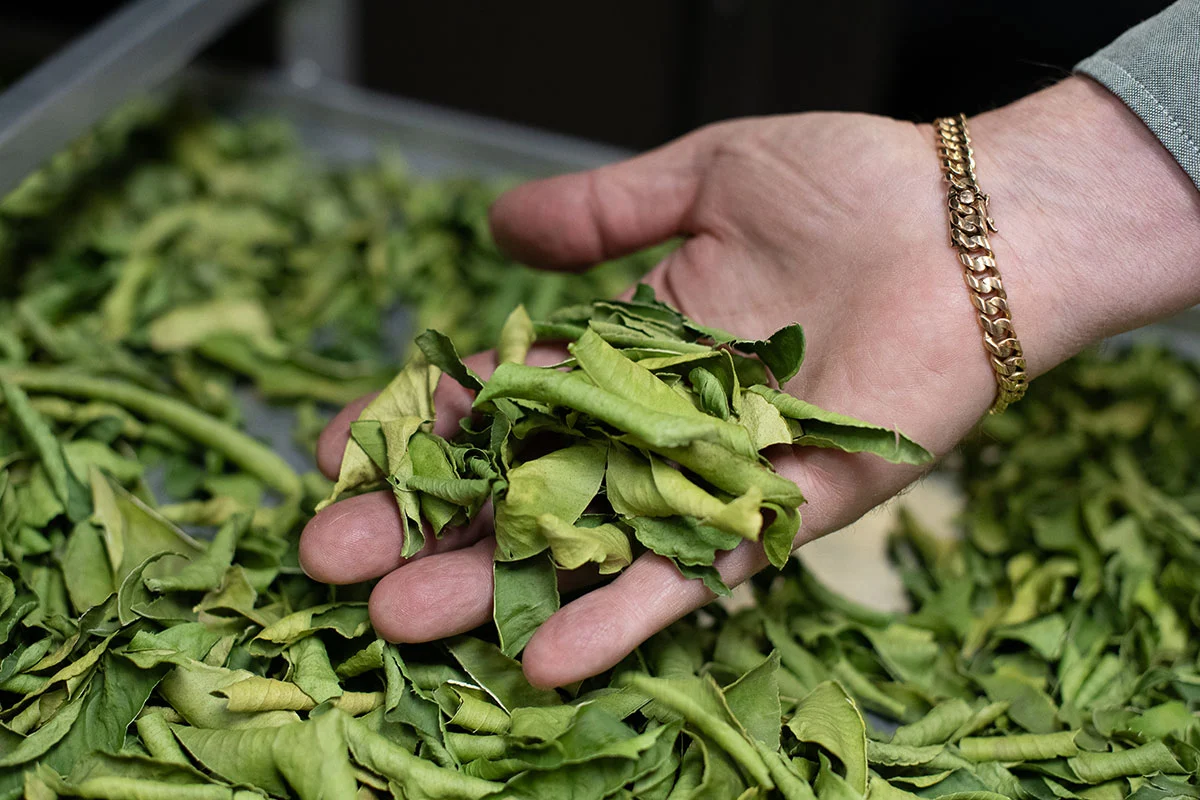
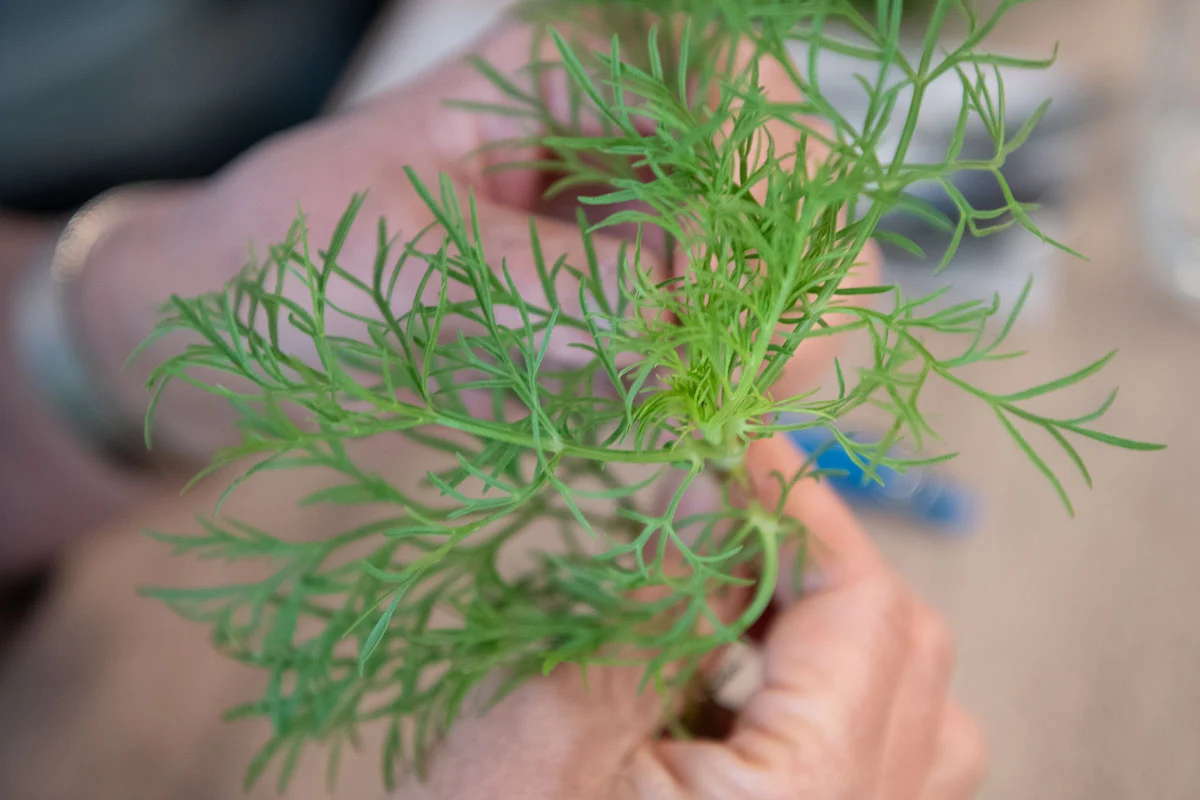
Channy holds a cosmos leaf up to her eye. She admires its lacey structure with an appreciation that only a chef or true nature lover could have for discarded foliage. Then she chomps down on it and hands us a piece to try! From time to time, these leaves are used as cocktail garnishes, but Channy likes to use it more generously like an herb or leafy green. “Why waste it?” she says. As a genocide survivor who was forced into labor camps and endured starvation, she is a firm believer in using whatever is available and in-season.
For her favorite item on the menu, a traditional Khmer noodle dish called nom banh chok, she adds a small handful of the raw cosmos leaves, along with other stunning, crisp edibles—thinly sliced banana blossoms, red cabbage, shredded papaya (depending on the season)—on top of a golden-green curried broth with a coil of rice noodles in the center. Chef Channy shares that her inspiration for this dish is yellow wild bean flowers. She writes, “These flowers take me back to the time we were starving together during the communist Khmer Rouge. For weeks we had nothing to eat, but we were blessed with wild Pkha Snaow [bean flowers] to keep us alive.” Nom banh chok brings back sweet memories for many Cambodians who, like Channy, grew up watching their mothers cook and enjoy Khmer noodles for breakfast and lunch.
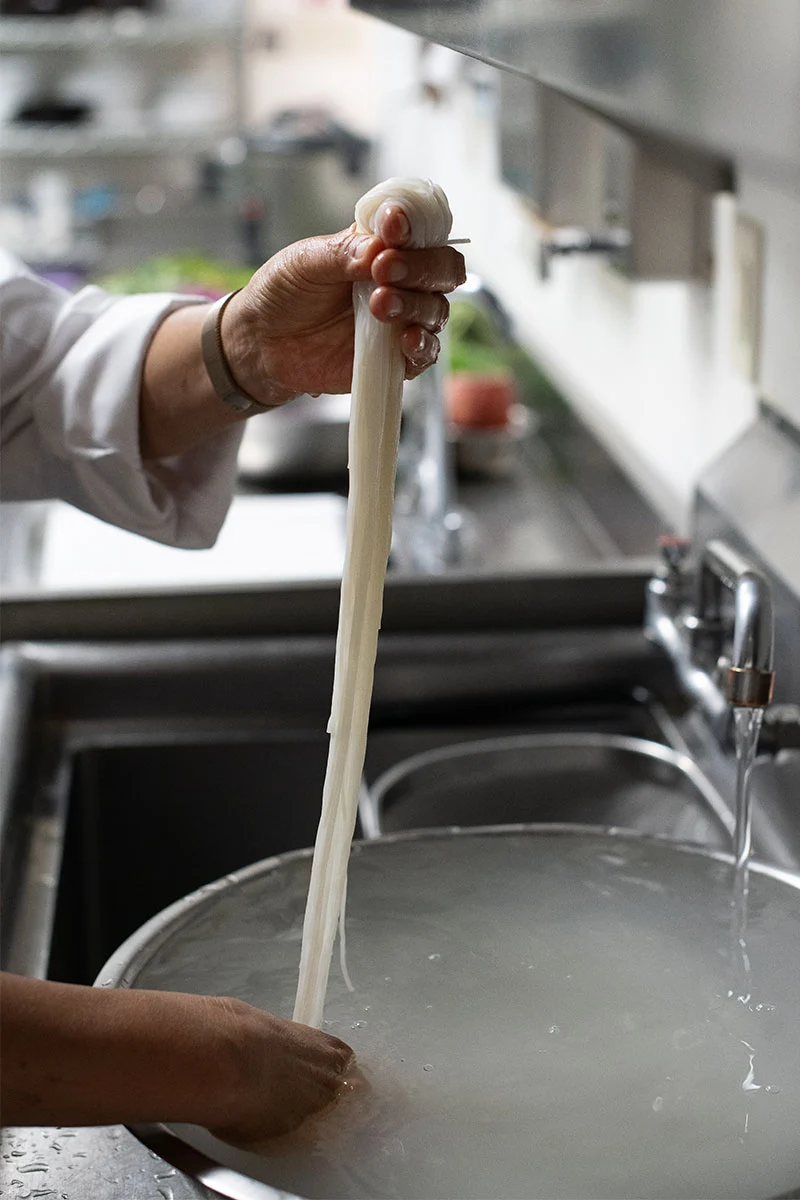
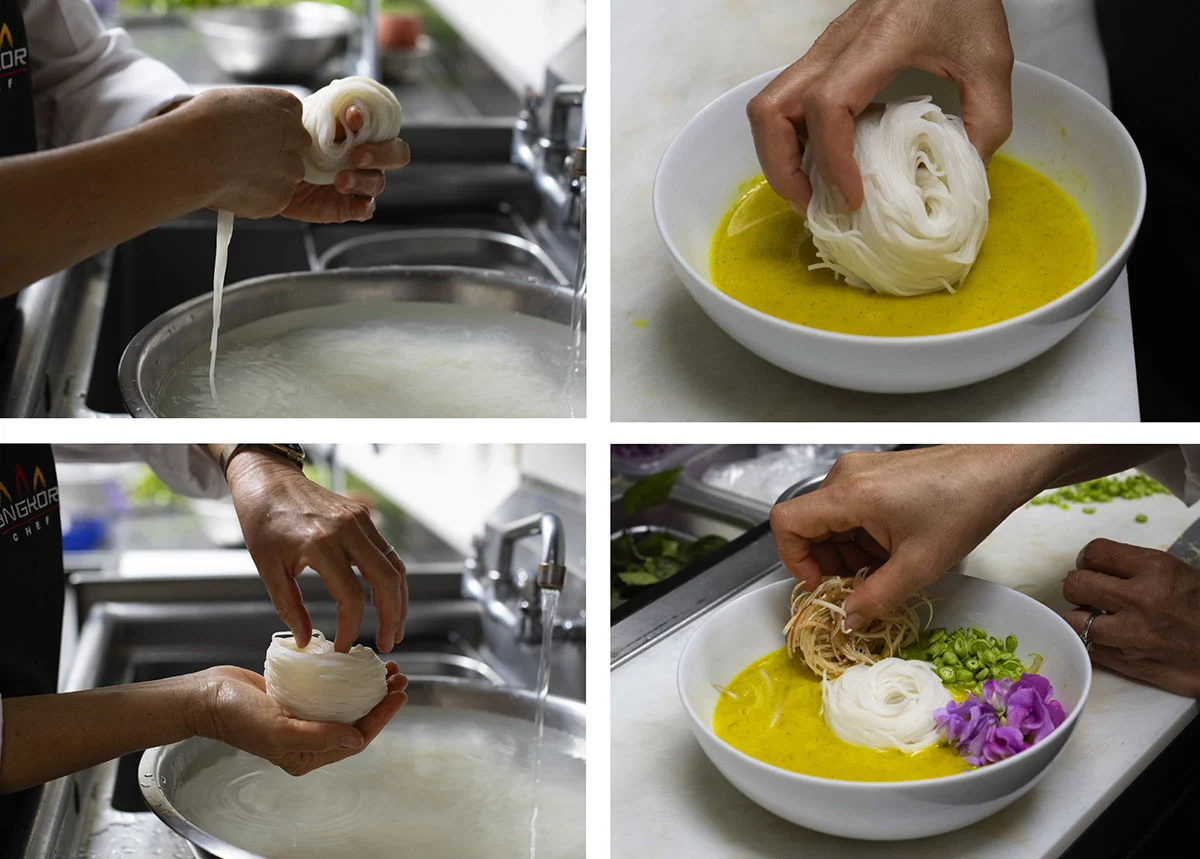
Its thick broth is made with prahok, a strong fermented fish paste, that has been cooked with fingerroot (a rhizome similar to ginger), turmeric, lemongrass, coconut milk and thickened with twice-cooked and smashed freshwater fish. Fish comes second only to rice in Cambodia where the food supply has always been at the graces of the monsoon rains. In the wet seasons, the rains flood the rivers and lakes, turning the plains into rice-rich fields and the perfect fishing grounds.
Prahok originated centuries ago as a way to preserve and eat the fish during dry seasons. But when Cambodians first immigrated to the States, they didn’t have access to prahok. “We would use anchovy. But it’s not exactly the same. No, it’s not the same,” says Chef Channy. Prahok is unique to Cambodian cooking. Now, decades later, you can find it, often labeled as mudfish sauce, in the condiment aisle next to its Southeast Asian counterparts like Vietnamese fish sauce andThai shrimp paste. In the fall, find Prahok Ktis at Angkor Chef. This is a seasonal veggie and dip combo that’s a great introduction to the fermented flavor of prahok.
Chef Channy sources Southeast Asian produce like pearl eggplants, lemongrass and hot peppers from a refugee farm in the San Joaquin Valley. These Cambodian farmers are an older generation farming herbs and vegetables that are native to Cambodia but require more finesse and physical labor to harvest. “I’m very grateful for them,” Chef Channy says. Their labor is a huge blessing and service to the Southeast Asian community, who otherwise might not have access to the foods of their home country.
Channy’s lived experience of forced labor and starvation makes a devastating contrast to the bounty of colors and fresh seasonal ingredients found in dishes like nom banh chok. It’s hard to stomach, but for good reason: No one should ever have to live through that. But anyone who has met Chef Channy can feel the immense gratitude and hope that she radiates. She shares Cambodia’s history in hopes that people may never forget or repeat it, and she shares the food so we can remember the good times too.
Chef Channy Laux contributed two recipes for you to try at home. Prahok Ktis, serve this Cambodian dish as a dip or a sauce. She likes it as an appetizer, especially for football gatherings. And Lapov Ktis, a dessert using Cambodian pumpkin, also known as kabocha, in a creamy tapioca sauce.